Skip to content

world cup standings
A complete overview of world cup standings, including world cup groups and world cup fixture insights to follow team progress and rankings.
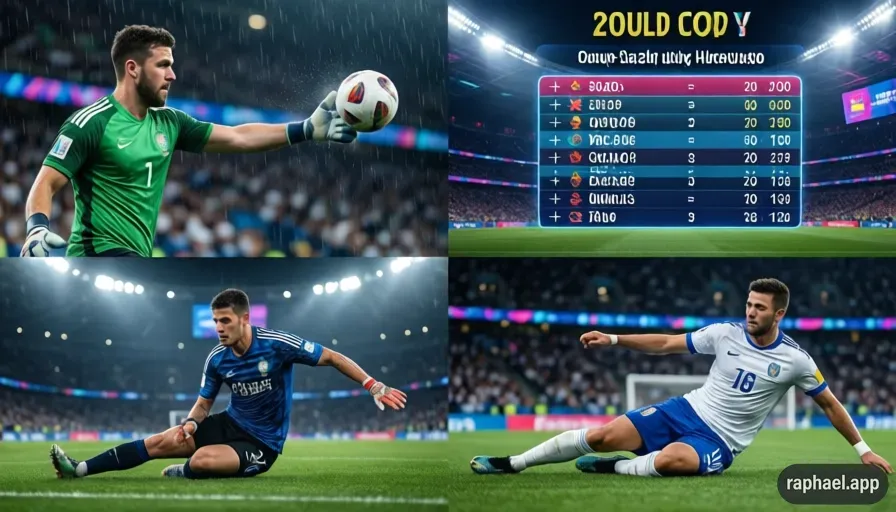
World Cup Standings: How to Read the Table and Follow the Tournament
Every time the tournament begins, fans around the world immediately start checking the world cup standings. It’s the quickest way to see who is leading, who is under pressure, and which teams are in a strong position to qualify. However, these rankings are more than just numbers—they reflect the full story of the competition as it unfolds.
By understanding how the world cup standings work, fans can follow the tournament with much greater insight. Each update to the table reveals new possibilities and keeps the excitement building with every match.
What Are World Cup Standings?
The world cup standings represent the ranking of teams within each group during the tournament. Teams earn points based on results, and these points determine their position.
Three points are awarded for a win, one for a draw, and none for a loss. Over the group stage, these results shape the table and decide which teams move forward.
In addition to points, goal difference and goals scored are key elements of the world cup standings, especially when teams are tied.
Why World Cup Standings Matter So Much
The importance of the world cup standings comes from their direct impact on qualification. Only the top teams in each group advance, which makes every position critical.
Because the tournament is short, even one match can dramatically change the rankings. This creates constant tension and excitement for fans.
Supporters often check the table after every game to see how results have shifted the group.
Understanding World Cup Groups
Each group has its own standings table, forming the foundation of the tournament.
To better understand team placement, fans can explore world cup groups and see how teams are organized.
With only a few matches played in each group, every point carries significant weight.
The Role of Fixtures in Shaping Standings
The schedule plays a key role in how the world cup standings evolve.
By reviewing the world cup fixture, fans can anticipate how upcoming matches might influence the table.
For example, a match between strong teams can shift positions quickly, while games against weaker sides may offer opportunities to gain points.
How Goal Difference Impacts World Cup Standings
When teams are tied on points, goal difference becomes a deciding factor in the world cup standings.
This means scoring goals and maintaining defensive strength are equally important. In many tournaments, qualification has been decided purely by goal difference.
Because of this, teams often continue attacking even when leading, knowing it could affect their final position.
Reading World Cup Standings with Context
Looking at the table without context can be misleading.
A team may appear safe at the top, but upcoming matches could still change their position. Similarly, a lower-ranked team might still have a strong chance to qualify.
Understanding remaining fixtures helps fans interpret the world cup standings more accurately.
Early Stage vs Final Matches
The meaning of standings changes throughout the tournament.
Early in the group stage, positions can shift quickly due to limited matches. As more games are played, the rankings become more reliable.
In the final round, every goal and result can directly determine qualification, making the world cup standings more dramatic than ever.
Common Mistakes When Following World Cup Standings
Many fans focus only on position without considering other factors.
Ignoring goal difference, overlooking upcoming matches, or assuming early leaders are safe can lead to misunderstandings.
By analyzing the full picture, fans can better understand how the world cup standings truly work.
Why World Cup Standings Keep Fans Engaged
The constant movement of rankings is one of the main reasons the tournament is so exciting.
Each match changes the table, creating new scenarios and keeping fans fully engaged.
This dynamic nature makes following the world cup standings an essential part of the World Cup experience.
Conclusion
The world cup standings are more than just rankings. They represent the flow of the tournament, connecting every match and every result.
By understanding how they work and what influences them, fans can follow the competition with greater insight and enjoyment.
Whether you are watching every match or checking updates, keeping track of the table will always enhance your football experience.
FAQ
What do world cup standings show?
The world cup standings show team rankings within each group based on points, goal difference, and goals scored.
How often do world cup standings change?
The table updates after every match, reflecting the latest results and rankings.
Why are world cup standings important?
They determine which teams qualify for the next stage and which are eliminated from the tournament.
Frequently Asked Questions
📊 What do world cup standings show?
World cup standings show team rankings within each group based on points, goal difference, and overall performance.
⏱️ How often do world cup standings change?
World cup standings change after every match, as each result affects team rankings in the group.
📅 Why are world cup groups important?
World cup groups determine which teams compete against each other and how the standings are structured.
⚽ Can a team qualify without finishing first?
Yes, in most formats, the top two teams in the world cup standings from each group advance to the next round.